
Your shopping cart is empty!
Categories
Latest 


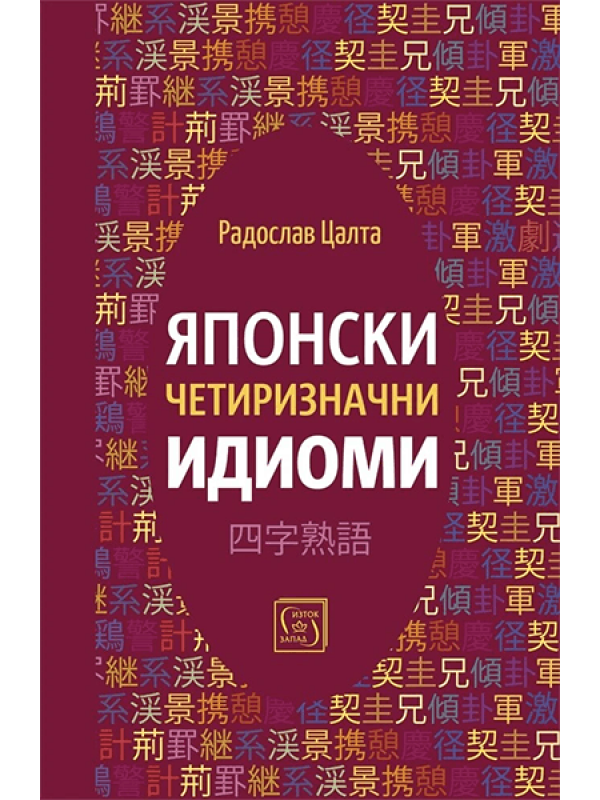
Japanese Four-Character Idioms

25.00€
Qty:
Japanese Four-Character Idioms
Японски четиризначни идиоми
Category: Japanology
Language: Bulgarian
Four-character idiomatic expressions (四字熟語, yojijukugo) are kanji compound words (熟語, jukugo) made up of exactly four characters. Historically originating during the Han Dynasty in China, they integrated into Japanese linguistic culture in ancient times. The book 四字熟語, published in 1985 by the Japanese linguist Takeshi Shindo, is considered the first modern dictionary of Japanese four-character idioms. Since then, they have gained widespread popularity in everyday Japanese life—used in rebuses and crossword puzzles, incorporated into the education system, and included in junior high school entrance exams. A dedicated section on these idioms is an integral part of the kanji proficiency tests (漢字検定, kanji kentei). This collection is intended for anyone interested in both the wisdom of four-character idioms and the kanji writing system. Through the provided examples, readers can connect with this treasure trove of antiquity.
| Details | |
| Publisher | East–West Publishing |
| Language | Bulgarian, Japanese |
| Pages | 672 |
| Illustrations | – |
| Binding | hardback |
| ISBN | 978-619-01-1815-2 |
| Creation date | 2026 |
| Size | 16 х 24 cm |
Write a review
Your Name:Your Review: Note: HTML is not translated!
Rating: Bad Good
Enter the code in the box below:



© “Bibliophilia” Ltd. / © „Библиофилия“ ЕООД