
Your shopping cart is empty!
Categories
Latest 


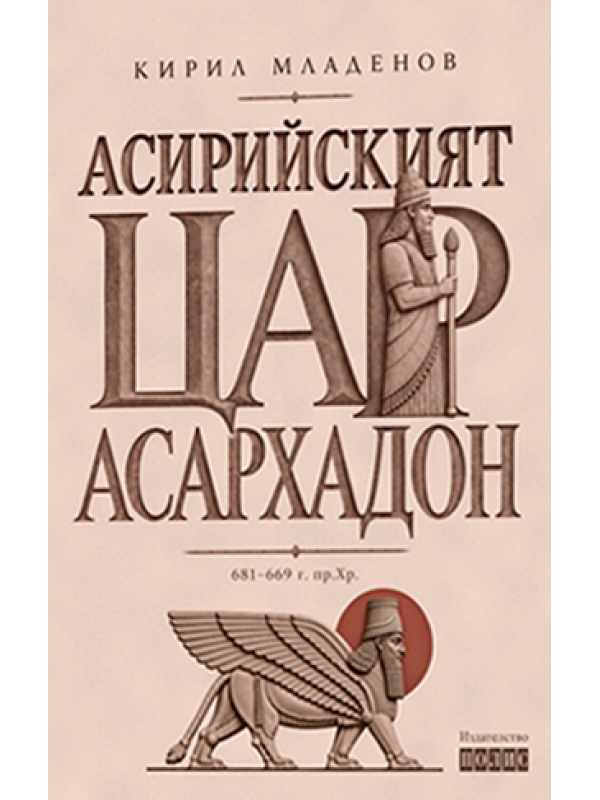
The Assyrian King Esarhaddon (681–669 BC)

15.00€
Qty:
The Assyrian King Esarhaddon (681—669 BC)
Асирийският цар Асархадон (681-669 г. пр.Хр.)
Language: Bulgarian with a summary in English
Category: Mesopotamia
What qualities were required of the ruler of the largest empire of his time—an empire stretching from present-day Iraq to Egypt? How did he manage to maintain stability within the state, and how did he deal with attempts at defiance? To answer these and many other questions, the author examines the political actions of the Neo-Assyrian king Ashur-ahu-iddina (681–669 BC)—known to us through biblical and classical tradition as Esarhaddon—as documented in the historical sources. Drawing upon a vast and diverse body of source material, this study presents the complex international landscape of Western Asia and North Africa during the first half of the 7th century BC. It depicts a world of rival kingdoms, restive vassals, and encroaching tribes that challenged established political boundaries—a world where the stronger party often had to rely on diplomacy rather than force, and where significant political decisions required divine approval. In this harsh environment, official inscriptions portray the Assyrian ruler as the steadfast chosen one of the god Ashur; yet, the royal correspondence reveals a far more multifaceted human figure: the son of a bellicose king and a powerful woman, a loving husband, and a caring father.
| Details | |
| Publisher | Polis |
| Language | Bulgarian with summary in English |
| Pages | 204 |
| Illustrations | b/w figures |
| Binding | paperback |
| ISBN | 978-954-796-145–6 |
| Creation date | 2026 |
| Size | 16 x 24 cm |
Write a review
Your Name:Your Review: Note: HTML is not translated!
Rating: Bad Good
Enter the code in the box below:


© “Bibliophilia” Ltd. / © „Библиофилия“ ЕООД